

This study examines the implementation mechanisms, economic potential, challenges, and future outlook of Article 12 in achieving a 30% share of rail transport in the country’s total freight transportation sector.
Smart Management, Sustainable Efficiency
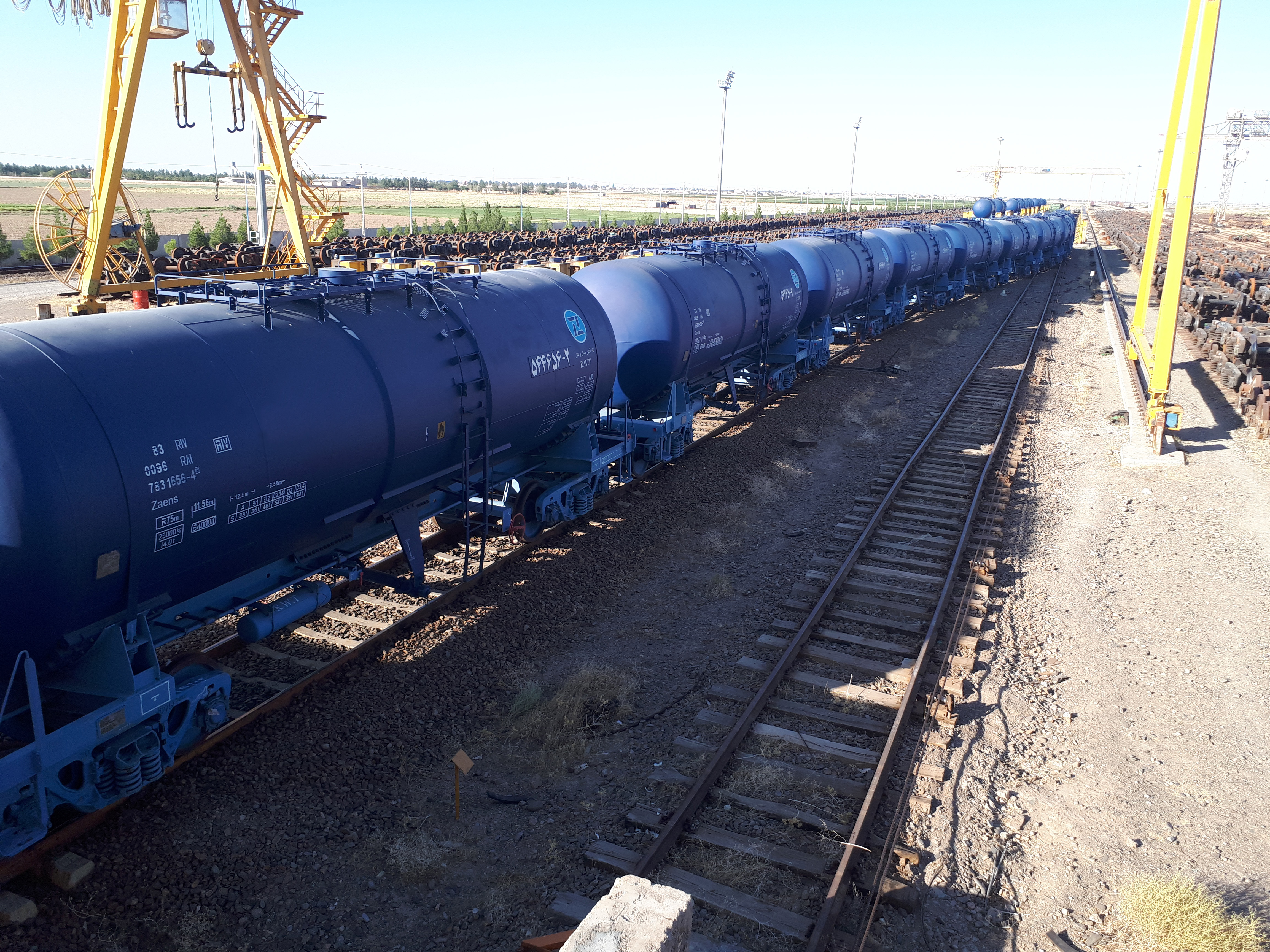
Railway Transportation Company (RWT), relying on its extensive experience, skilled workforce, large railway fleet, and modern management technologies, continues its path of growth and innovation in rail freight transportation with strength and determination.Safety, environmental sustainability, and cost efficiency are three key indicators that make rail transport one of the most efficient and sustainable freight transportation methods in the world. These characteristics not only distinguish rail transportation from other transport modes but also establish it as a backbone of the country’s sustainable development.However, achieving these capacities is only possible when the railway economy operates efficiently and fleet and infrastructure productivity indicators reach desirable levels. Otherwise, although rail transport may maintain its price advantage for customers, rolling stock owners will face delayed returns on investment and reduced motivation for future investments.Improving efficiency in the rail sector is the result of a combination of intelligent decision-making and cooperation among various stakeholders, including operating companies and fleet owners. By leveraging modern marketing knowledge, precise planning, and efficient fleet management, these companies can play a decisive role in the growth and prosperity of the country’s rail transportation economy.Industry stakeholders are well aware that one of the traditional challenges in rail freight transportation is empty wagon movement on return routes. In many cases, wagons return empty to their original stations after delivering cargo, in order to be reloaded. This one-way operational cycle significantly reduces network efficiency and increases operational costs.In this regard, Railway Transportation Company, as the country’s first and largest freight rolling stock owner, took effective measures over the past year to address this challenge. By utilizing intelligent fleet management, transport data analysis, and targeted marketing within the mining and transit sectors, the company succeeded in creating two-way loaded routes across different regions of the country. This achievement significantly reduced empty wagon movements and improved efficiency in mineral freight transportation.The operational results of 1404 clearly demonstrate this success. The “loaded-distance-to-total-distance ratio” for open-top wagons, primarily active in mineral cargo transportation, increased from approximately 51% in 1403 to 55% in 1404. This development is a clear indication of the effectiveness of the company’s new approach toward sustainable resource management, optimal utilization of existing capacities, and enhancement of railway fleet productivity.Railway Transportation Company, relying on its rich experience, specialized workforce, extensive fleet, and advanced management technologies, continues its path of growth and innovation with determination. The company’s ultimate goal is to create an intelligent, efficient, and sustainable rail transportation network for the country — a network capable not only of meeting today’s industrial and commercial demands but also of shaping a bright future for economic and environmental development.
Mehdi Abdolmaleki
Domestic Commercial Expert
Railway Transportation Company
Publication Date: 2026/05/17